How to Use a Laundromat in Korea: A First-Timer's Guide
First time using a laundromat in Korea? Learn how to find a self-service shop, check payment and detergent, load, dry and handle problems with confidence.
You've been on the road for a week, your suitcase is filling up with worn clothes, and you need a fresh set of everyday clothes. Good news: Korean cities have plenty of self-service laundromats. Once you know what to check, you can fit a laundry stop into your travel day without guessing your way through the controls. This guide walks you through a first visit step by step, without pretending every shop works the same way.
Quick planning: which kind of laundry do you need?
Before you pack a bag, decide what kind of help you actually want.
- Self-service laundromat: you load, pay and collect yourself. Best for everyday clothes like T-shirts, underwear, socks and casual trousers.
- Staffed laundry or dry cleaner: you hand items over and come back later. Better for suits, wool coats or anything marked dry-clean only. Some counters only collect dry cleaning and have no self-service machines.
- Hotel or guesthouse facility: ask whether your accommodation has a guest washer or a laundry service. Check its price and access rules; it may save you a walk.
This guide focuses on the self-service option.
How to find a self-service laundromat
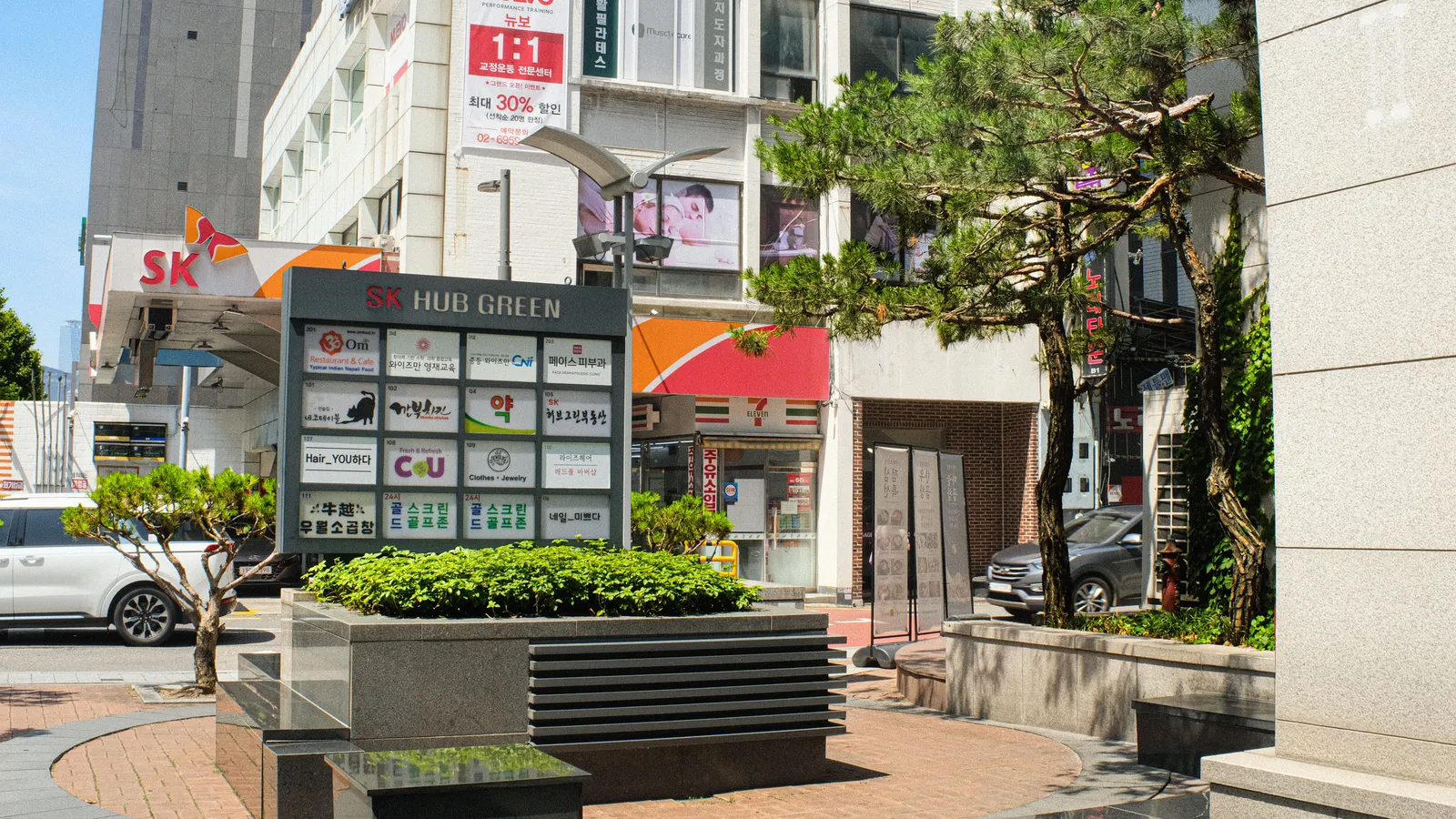
Open a map app and search in Korean. Try these two search terms: 셀프빨래방 (self-service laundromat) and 코인빨래방 (coin laundromat).
Don't read too much into the word “coin.” It's a naming habit, not proof that a shop takes only cash. Check the services listed and confirm that the branch has self-service machines; a staffed dry-cleaning collection counter may not.
Treat any map listing as a starting point, not a guarantee. Hours shown online can be out of date, so if timing matters, call ahead or look for a recent photo of the posted sign.
Before you load anything, check four things
When you arrive, read the posted instructions before choosing a machine. Notices are usually posted near the machines or the payment kiosk.
- Hours. Some shops run around the clock; others close at night. Don't assume.
- Payment. Systems vary. Some take coins, some use a kiosk or card reader, and some use a chain's own stored-value card or app. Washenjoy, for example, describes several payment and alert options on its platform, but that doesn't mean every branch accepts foreign cards or works without a Korean phone number.
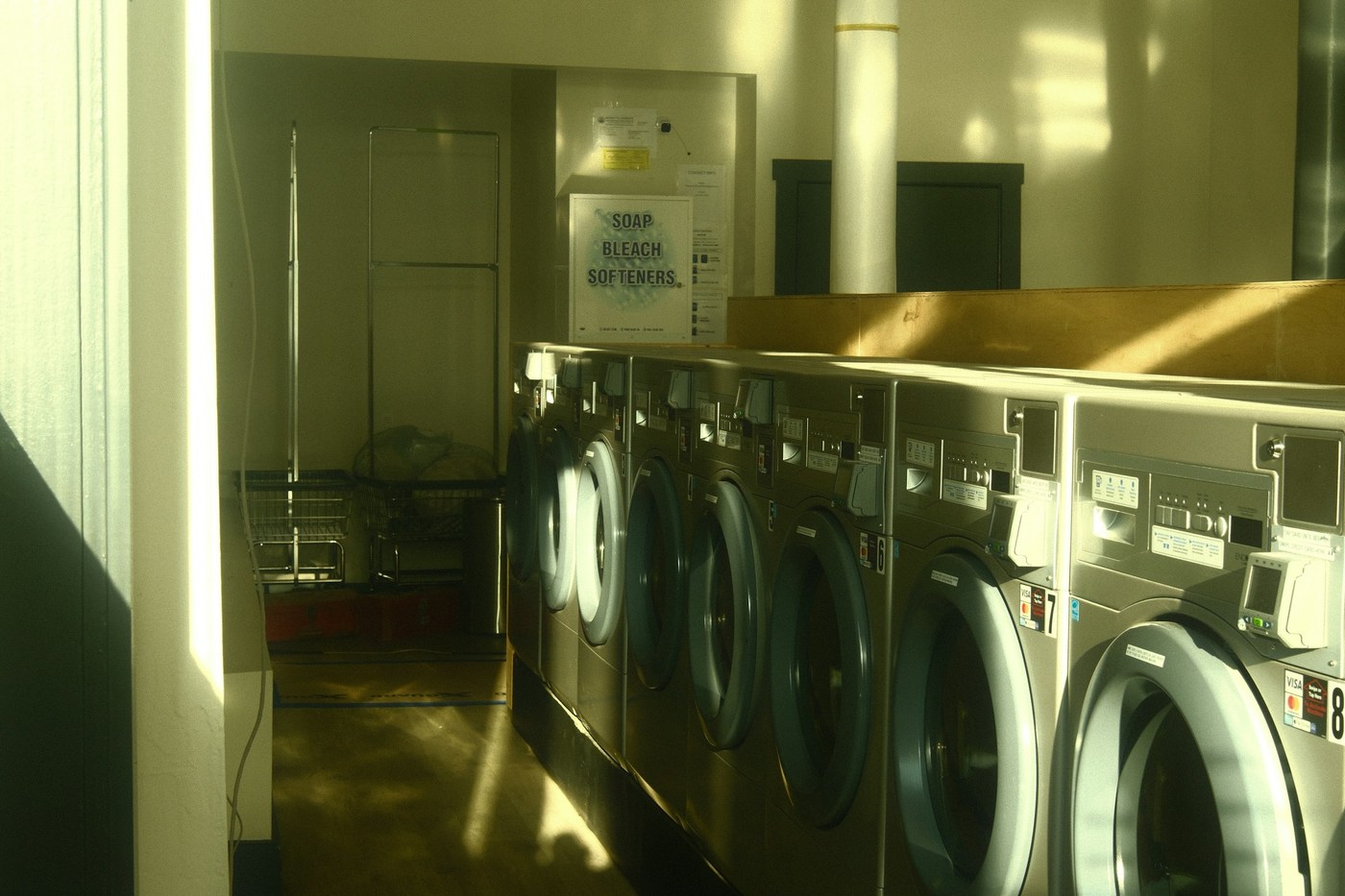
- Detergent. Find out whether the washer adds it for you or whether you need to bring or buy some.
- Item rules. Look for a list of banned items. Check specifically before bringing shoes, pet bedding or oily work clothes; each shop sets its own rules.
The five steps
1. Find your machine and its price
Pick a free washer and note its number. Check the posted price for that specific machine before you load, since large and small washers, and combined wash-and-dry units, may cost different amounts.
2. Load sensibly
Empty every pocket; a forgotten tissue can coat a whole load in lint. Sort darks from lights and keep delicates aside. Read each garment's care label and follow it over any general tip, including the ones here. Whirlpool's basic laundry guidance covers the same essentials: sort, don't overfill, choose a suitable temperature, and hand-wash or air-dry delicates when the label says so. Leave room for clothes to move.
3. Check how detergent works
Some machines dose detergent and softener automatically. If the instructions require manual detergent, check the correct product, amount and dispenser; use an on-site vending machine only if one is available. Look at the machine and nearby signs before adding anything. Never put detergent in a dryer; dryer sheets are optional and are not a substitute for detergent.
4. Pay and start
Confirm the machine number once more, then pay. Paying at a kiosk for the wrong washer is an easy mistake. Bring some backup cash, but check which notes the changer accepts before relying on it. Don't assume a foreign card or T-money card will work; if your card is refused, see our guide to foreign cards declined in Korea. Follow the displayed cycle and start instructions, then check that your own machine is running. Keep your receipt or a screenshot of the payment.
5. Dry and collect
Set a phone timer and come back promptly so others can use the machine. With separate machines, move suitable clothes to the dryer and check its price, temperature and start instructions. If you chose a combined wash-and-dry program, follow that unit's instructions instead. Follow each care label for heat; use a lower setting only when the label permits tumble drying, and air-dry items that cannot go in the dryer. Keep your bag and valuables with you rather than leaving them unattended, and never take someone else's laundry out of a machine.
What to budget for
Prices differ by branch and machine, so go by the posted list rather than figures you find online. Plan for:
- Wash cycle
- Dry cycle
- Extra drying time if things are still damp
- Optional supplies: detergent, softener, dryer sheets, a laundry bag
Useful Korean words
| Korean | English |
|---|---|
| 세탁기 | washing machine |
| 건조기 | dryer |
| 세제 | detergent |
| 섬유유연제 | fabric softener |
| 동전 교환기 | coin changer |
| 영업시간 | business hours |
Phrases to show staff or a helpline:
- 이 세탁기는 세제가 자동으로 들어가나요? — Does this washer add detergent automatically?
- 외국 카드로 결제할 수 있나요? — Can I pay with a foreign card?
- 세탁기가 멈췄어요. 도와주세요. — The washer has stopped. Please help.
If something goes wrong
- Door won't open: don't force it. Some washers stay locked briefly after a cycle ends, so follow the displayed instructions and contact support if it remains locked.
- Machine stopped or shows an error: note the machine number and any error code, and photograph the screen.
- Paid but nothing started: keep your receipt or payment screenshot.
- Still stuck: call the support number posted in the shop and share what you noted.
Before you leave
A laundromat is a quiet slice of everyday Korean life: humming machines, someone folding towels, maybe a vending-machine coffee while you wait. Read the signs, take it slowly, and you'll walk out with clean clothes and one more thing you've figured out on your own.
Frequently asked questions
›Do Korean laundromat washers add detergent automatically?
Some do and some don't. Certain machines dose detergent and softener for you, while other shops expect you to add your own. Check the machine and posted signs before adding anything, and never put detergent in a dryer.
›Can I pay with a foreign credit card at a Korean laundromat?
It depends on the shop. Payment may be coins, a kiosk or card reader, or a chain's own stored-value card or app. Check the posted payment notice before loading, carry some backup cash, and confirm which notes the coin changer accepts.
›Are laundromats in Korea open 24 hours?
Some are and some aren't. Online map hours can be outdated, so check the sign at the shop or call ahead if timing matters.
›Can I wash shoes or bulky items in a Korean laundromat?
Only if that shop allows it. Many post a list of prohibited items, which may include shoes, pet bedding or oily clothes. Read the shop's rules and each item's care label first.