What to Eat at a Korean Convenience Store: 5 Easy Food Combos
Five easy Korean convenience store food combos, from gimbap and cup ramyeon to dosirak lunchboxes, plus how to read prices, heat food and use key Korean phrases.
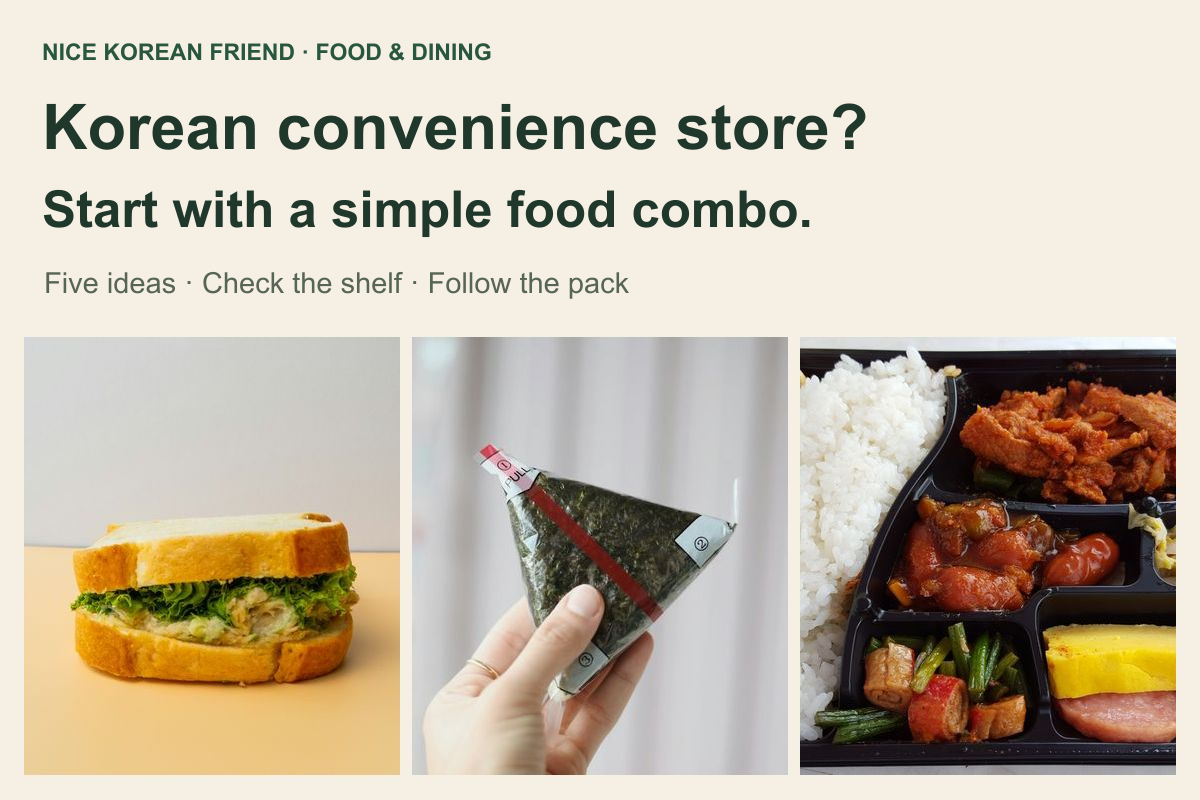
Korean convenience stores can feed you surprisingly well, but a first visit can still feel like a wall of Korean labels, bright wrappers and promotion stickers. This guide covers one thing: choosing food. For the store's other services, see our Korean convenience store guide.
Below are five simple combos, how to read the shelf before you pay, and a short heating routine that keeps things easy at the microwave.
Quick choice table
| If you want... | Try this combo | Check first |
|---|---|---|
| A fast breakfast | Savory sandwich + coffee | Whether the coffee is bottled or from a machine |
| A warm, filling snack | Triangle gimbap + cup ramyeon | Hot water and a place to eat |
| A proper sit-down meal | Dosirak lunchbox + water | Microwave and seating |
| Something lighter | Eggs + salad + bread | Whether these are stocked today |
| A taste of Korean snacks | One sweet snack + one drink | That you're not counting on it as a meal |
Lineups vary by brand and by branch, and they rotate. CU, for example, lists lunchboxes, sandwiches and hamburgers, and rice balls and gimbap among its regular product categories, while also running seasonal series that come and go. Treat these combos as shapes of a meal, not a list of specific products.
How to read prices and count before you pay
Prices usually sit on a shelf label below or beside the item, not always on the package itself. Match the product name or picture on the label to what you're holding, since labels and products can drift apart on a busy shelf. Add up your items as you go; it's easy to grab four things and get a surprise at the counter.
Promotion stickers such as 1+1 (buy one, get one) and 2+1 (buy two, get one) are common, but they aren't a universal mix-and-match deal. Usually only specific items qualify, conditions vary, and some stores can be excluded; GS25's own event terms note this. If you want a deal, ask the cashier which items count before picking up extras. You don't need an app for an ordinary purchase.
The final check is the total on the checkout screen. If your card doesn't go through, our guide to a foreign card declined in Korea explains what to try next.
Budget tip: Add up the shelf prices before taking food to the counter. Confirm any promotion and the final total before paying.
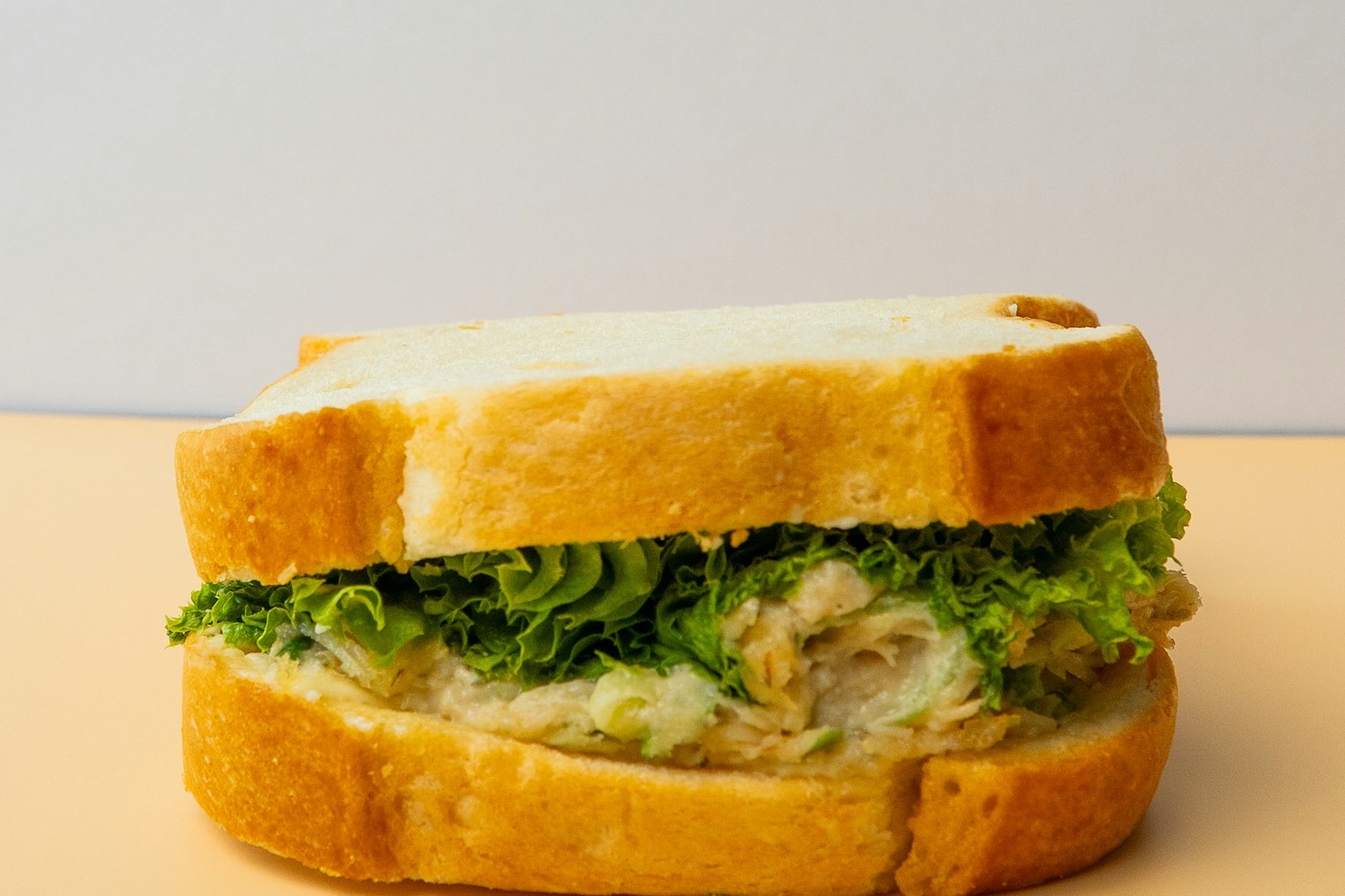
1. Savory sandwich + coffee (breakfast)
The easiest morning combo. Head to the chilled section for sandwiches and burgers; egg, ham and other savory fillings make a solid start to the day. Pair it with a coffee from the drinks fridge or, if the store has one, a coffee machine.
Many sandwiches are meant to be eaten cold. Only heat one if its packaging gives microwave instructions.
2. Triangle gimbap + cup ramyeon (when hot water is available)
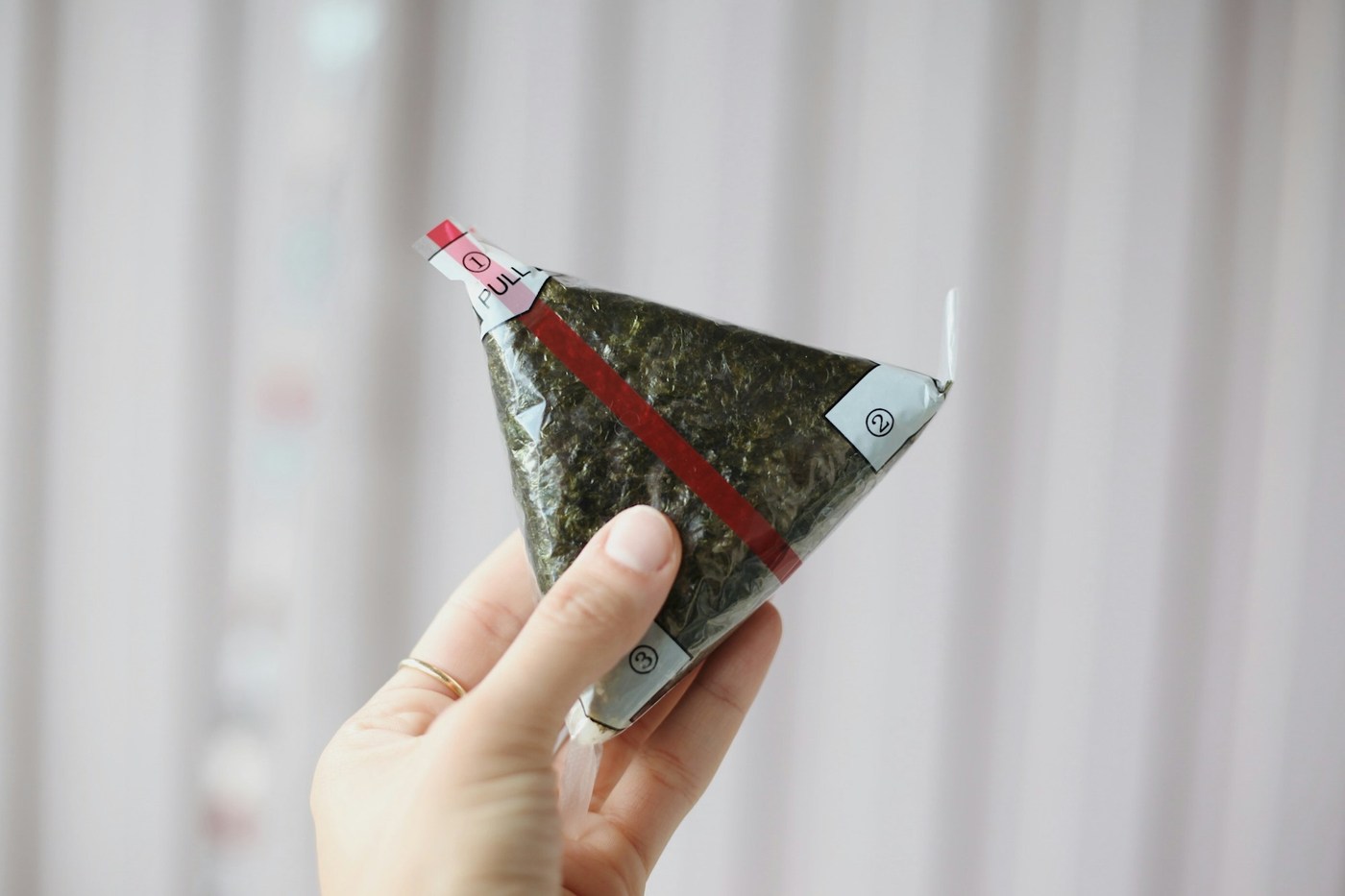
The classic pairing: a seaweed-wrapped rice triangle with a filling, plus a cup of instant noodles. Before buying the ramyeon, check that the store has a hot water dispenser and somewhere to eat.
Triangle gimbap wrappers are often numbered. If yours is, pull the tabs in that order and the seaweed should come out wrapped neatly around the rice.
For the noodles, follow the cup rather than habit. Take the Korean-market Shin Ramyun Cup (65g): Nongshim's product information page says to add 240ml of boiling water, wait 3 minutes, and not to microwave it. The same page lists allergens including beef and milk, so a picture of vegetables is no reason to assume it's vegetarian. That's exactly why a quick look at the package is worth it.
Don't judge heat level by packaging color or a cheese label, either. Cheese on the cup doesn't guarantee mild.
3. Dosirak lunchbox + water (a fuller meal)
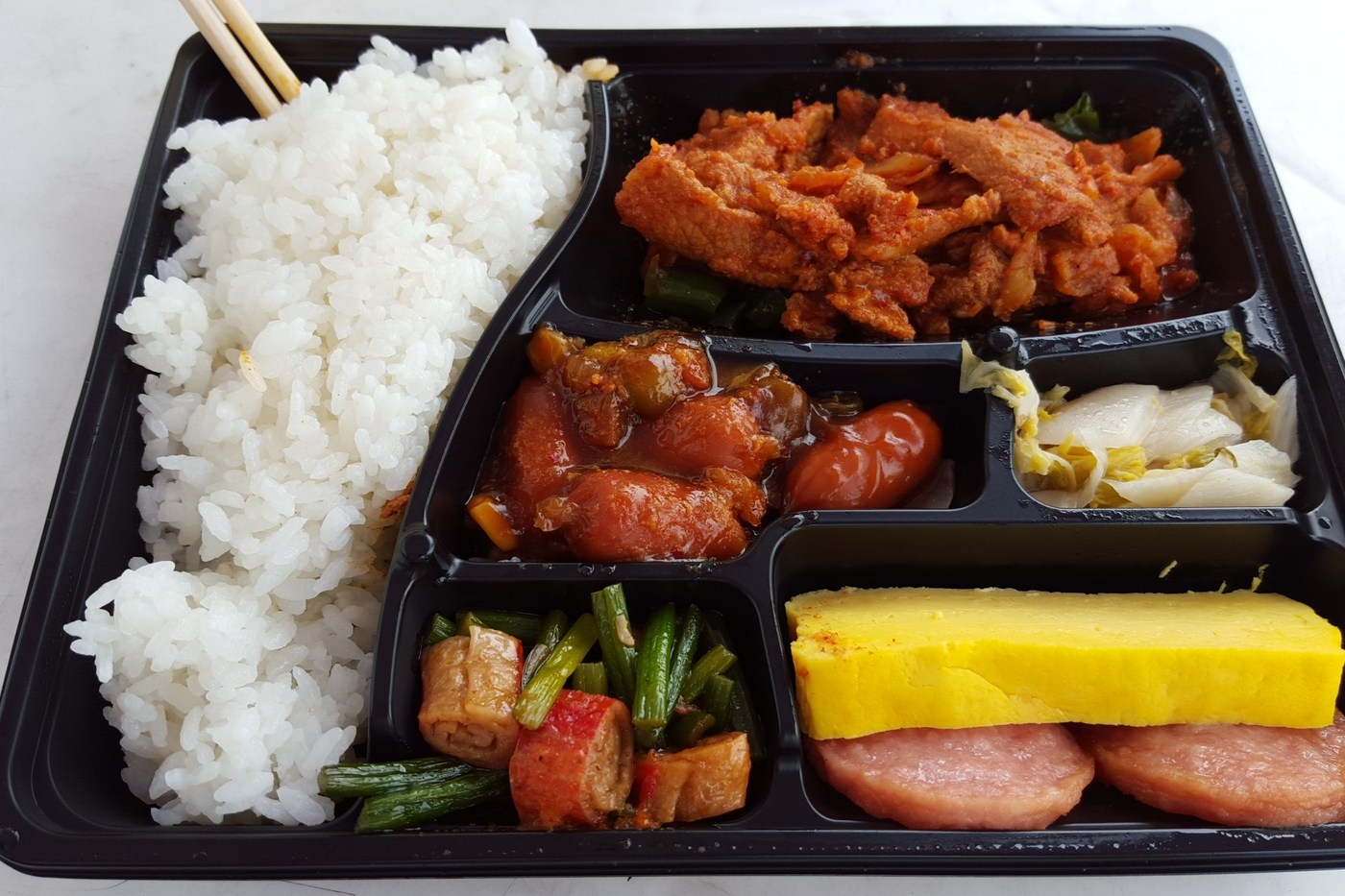
A dosirak is a boxed meal: rice, several side dishes and usually a main such as meat or something fried. It gives you rice and several dishes in one tray. Check for a microwave and a seat before buying a box that needs heating.
Read the pack before heating. It may list a wattage and a time; use exactly that. Some packs ask you to take out a side dish, sauce or insert first, and some cold components aren't meant to be heated. Remove only what the pack tells you to. Water is a sensible pairing because many lunchboxes are well seasoned.
4. Eggs + salad + bread (a lighter option, when stocked)
If you'd rather skip a big rice meal, look in the chilled section for ready-to-eat eggs and a packaged salad, then add a bread roll or pastry. Availability varies, so this combo works when the shelves cooperate.
Check dressings, egg seasonings and bread ingredients separately; the combination is not a guarantee of any particular diet.
5. One sweet snack + one drink (a tasting break)
Pick one sweet you've never seen before, such as a pastry, an ice cream or a chocolate snack, and one drink to go with it. It's a fun, low-commitment way to try Korean flavors between meals. It isn't a meal, though, so plan to eat properly later.
Short heating workflow
- Check for a microwave, hot water or seating if your food needs them.
- Pay first. Don't open anything before it's paid for.
- Read the pack: wattage, time and anything to remove.
- Remove only the parts the pack says to remove.
- Heat for the time listed for that microwave's wattage, then handle with care.
- Tidy up and use the store's sorting bins if there are any.
Equipment varies: not every store has a microwave, hot water or seats, and not every store is open 24 hours. If you're eating solo and want more ideas, see eating alone in Korea.
Dietary needs and allergies
Translation apps help you read ingredient lists, but they can't guarantee a product suits your diet or allergy. The package is the final source. If you have a serious concern and can't confirm an ingredient, choose a different food.
Useful Korean
| Korean | Say it | English |
|---|---|---|
| 전자레인지 어디 있어요? | jeonjareinji eodi isseoyo? | Where is the microwave? |
| 뜨거운 물 있어요? | tteugeoun mul isseoyo? | Is there hot water? |
| 여기서 먹어도 돼요? | yeogiseo meogeodo dwaeyo? | Can I eat here? |
| 이거 행사 상품이에요? | igeo haengsa sangpumieyo? | Is this a promotion item? |
| 이거 매워요? | igeo maewoyo? | Is this spicy? |
| 봉투 필요 없어요. | bongtu piryo eopseoyo. | I don't need a bag. |
Handy label words: 행사 (haengsa, promotion), 매운맛 (maeunmat, spicy flavor), 소고기 (sogogi, beef), 돼지고기 (dwaejigogi, pork), 새우 (saeu, shrimp).
Pick a combo, check the shelf label, pay, then heat by the pack. That's all it takes to turn a convenience store stop into a decent meal in Korea.
Frequently asked questions
›Can I microwave a cup ramyeon at a Korean convenience store?
Only if the cup says so. Some cups, such as the Korean-market Shin Ramyun Cup (65g), are made with boiling water only and should not be microwaved. Follow the instructions printed on the package.
›Do 1+1 and 2+1 deals work on any items I choose?
No. Usually only specific items qualify, conditions vary, and some stores may be excluded. Ask the cashier which items count before you pick up extras.
›Can I trust a translation app for allergies or vegetarian food?
A translation app helps you read ingredients, but it can't guarantee a product is suitable for you. The package is the final source, and if you can't confirm an ingredient you're worried about, choose a different food.